
Application Field
Case and Application Field
Provide professional solutions for all types of water problems
Key Application Industries
- Water Treatment — Chemicals for municipal and industrial wastewater purification.
- Textile Industry — Thickeners, sizing agents, and wastewater aids for dye processes.
- Paper & Pulp Mills — Chemicals for pulping, bleaching, and contamination control.
- Mining & Ore Processing — Flocculants, separation aids, and mud management solutions
- Oil & Gas — Drilling fluid additives, shale inhibitors, and cooling agents for extraction.
- Agriculture & Others — Crop protection, soil amendment, and specialty formulations.

Water treatment
Used in urban sewage treatment/industrial wastewater treatment/potable water treatment.

Textile Industry
Used in textile wastewater treatment and textile production as thickening agent and textile sizing agent and so on.

Paper Mill
Used in urban sewage treatment/industrial wastewater treatment/potable water treatment.
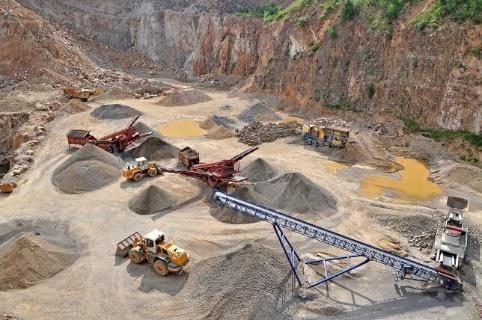
Mining industry
Used in ore washing and flotation/mud settlement and clarification /solid-liquid separation of tailings and so on.

Oil & Gas industry
Used in water shutoff, drilling fluid, fracturing fluid, oil extraction, fluid loss reduction, flocculation, shale inhibition, dilution, plugging, cooling and lubrication of drill bits and drill strings, campingcuttings, cementing and so on during Dilling process.

Other Fields
Used in sugar industry/breeding/ agriculture/pharmaceutical/ architecture/constructionand others.
Application
Energy Generation Processes in Wastewater Treatment Plants
The sludge produced in the primary and secondary sedimentation basins is heated in a digestion tower to a temperature of between 35 °C and 40 °C. This airtight process, which lasts for up to 25 days, causes the sludge to decompose. Anaerobic bacteria break down the sludge into fermentation gas, water, and sapropel. The gas mixture created consists of around 70 % methane and 30 % carbon dioxide. In the gas cleaning plant, methane is extracted from hydrogen sulphide through a chemical reaction between the gas and cleaning solution. The gas is either burned off or temporarily placed in a storage tank for energy generation before being transported to a power plant or fed into a public gas grid.
Goal
Optimise anaerobic decomposition and safety
To optimize the anaerobic decomposition of sludge in the digestion tower, it is essential that temperature and pressure are monitored reliably. In addition, the formation and removal of foam by an agitator is monitored. This prevents the plant from being flooded with foam and stops pipe blockages while also increasing the gas yield. The quality of the gas produced is analysed so that any fluctuations in the heating value can be detected. This data indicates possible overheating in the pumps and may be used to regulate the combined heat and power plant located downstream. The pressure and fill level in the gas storage tank is monitored to prevent any overload in the tank and conduits and to stop gas from escaping.